
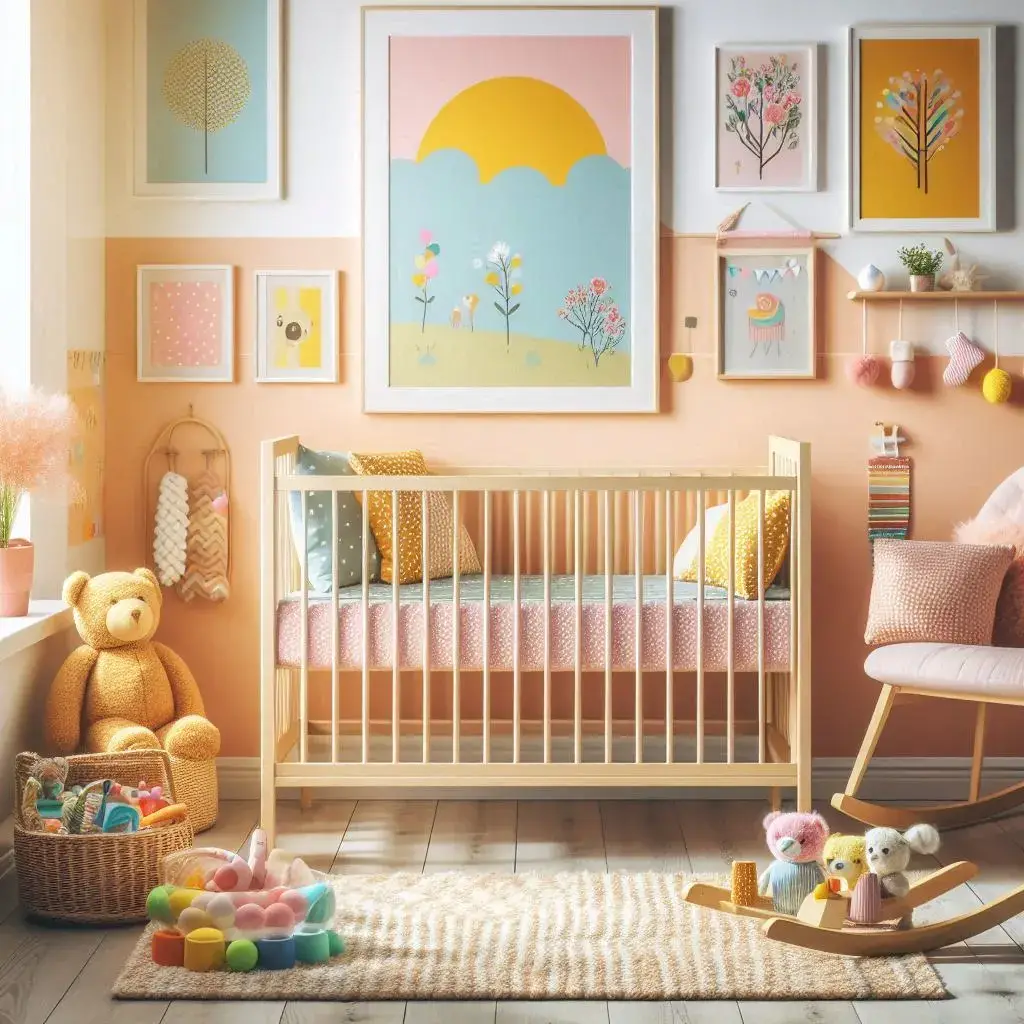
Designing a nursery is an exciting and significant task for parents. One of the most important decisions is choosing the right color palette, as colors affect mood, emotions, and even sleep patterns. In this article, we explore the psychology behind different colors and current nursery design trends to help you choose the best hues for your baby's room.
The Psychology of Colors in a Children's Room
Soft Neutrals: Calm and Versatile
Neutral colors like beige, soft gray, and warm white create a calming and timeless environment. These shades are ideal for parents who want a serene space that can easily adapt as the child grows. Neutrals also provide a perfect foundation for adding colorful accents through furniture, decor, and textiles.
Blue: Serenity and Calm
Blue is a popular choice for nurseries due to its calming and serene qualities. Light blue promotes relaxation and can help improve sleep, while deeper blues add sophistication. Blue is also known to reduce stress and lower heart rate, making it an excellent option for both boys' and girls' rooms.
Pink: Warmth and Comfort
Traditionally associated with babies, pink has a soothing effect and evokes feelings of love and warmth. Soft pastel pinks create a nurturing atmosphere, while deeper shades like dusty rose add a modern touch. Combining pink with neutral tones can balance the sweetness and create a contemporary look.
Green: Growth and Harmony
Green symbolizes nature, freshness, and balance. It is one of the best colors for a baby's room because it promotes relaxation and helps improve concentration. Shades like sage green or mint offer a refreshing and calming ambiance, while deeper greens add richness and depth to the nursery.
Yellow: Cheerfulness and Energy
Yellow is associated with happiness, positivity, and warmth. However, overly bright shades can be too stimulating and may lead to restlessness. Soft pastel yellows or buttery tones provide a sunny and welcoming feel without overwhelming the space. Yellow pairs well with gray, white, and soft blue for a balanced look.
Lavender and Purple: Creativity and Luxury
Lavender and light purples bring a sense of calm and elegance to the nursery. Purple is associated with creativity and imagination, making it a great choice for an inspiring environment. Soft lilac or lavender shades work well in both traditional and modern nursery designs.
Current Trends in Nursery Colors
Gender-Neutral Palettes
Many parents are opting for gender-neutral nurseries that avoid traditional pink-and-blue stereotypes. Shades like sage green, earthy browns, soft peaches, and muted yellows create stylish and welcoming spaces suitable for any baby.
Earthy and Natural Tones
Inspired by nature, earthy tones such as terracotta, warm beige, and olive green are becoming increasingly popular. These shades create a cozy and organic feel, especially when combined with wooden furniture and natural fabrics.
Monochromatic and Minimalist Designs
Black and white nurseries with soft gray accents are trending among parents who prefer a modern and minimalist aesthetic. The contrast of black and white helps stimulate a baby's visual development while maintaining a sleek and sophisticated look.
Pastel and Muted Colors
Soft pastels like blush pink, powder blue, and pale mint remain favorites for nurseries, offering a gentle and serene atmosphere. Muted versions of these colors create a more grown-up and timeless feel.
Tips for Choosing the Right Color
- Consider Lighting: Natural and artificial lighting can change how colors appear in a room. Test color swatches on different walls before making a final decision.
- Balance with Accents: If using a bold color, balance it with neutral furniture and decor to avoid overwhelming the space.
- Think Long-Term: Choose a color scheme that can grow with your child and easily adapt with minor decor changes.
- Incorporate Textures: Use soft textiles, rugs, and wall art to enhance the room's warmth and depth.
The colors you choose for your baby's room can significantly impact their mood and development. Whether you opt for calming neutrals, serene blues, cheerful yellows, or trendy earthy tones, selecting the right palette will create a nurturing and beautiful space. By considering color psychology and design trends, you can craft a nursery that is both stylish and comforting for your little one.