
Designing a children's room starts with maximizing play and rest areas, incorporating suitable furniture items, implementing themes, and making proper use of lighting fixtures, wall decals, and more.
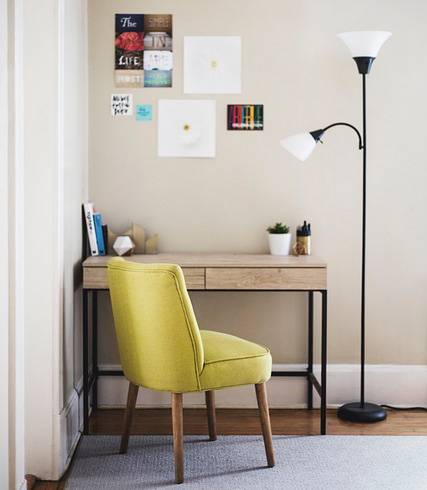
Designing a child's room is an exciting opportunity to blend creativity, functionality, and comfort into a space that fosters growth, learning, and enjoyment. The process involves careful planning and consideration of several elements, from layout and furniture to colors and themes. Here's a comprehensive guide to designing a child's room that balances practicality with whimsy.
Start by evaluating the available space and deciding on a layout that maximizes both play and rest areas. For smaller rooms, consider multi-functional furniture such as a loft bed with a desk underneath or storage drawers built into the bed frame. This approach not only saves space but also creates distinct zones for different activities. For larger rooms, establish defined areas for sleeping, studying, and playing. This helps organize the space and gives children a sense of structure.
When selecting furniture, prioritize items that are both durable and age-appropriate. Younger children benefit from furniture scaled to their size, making it easier and safer for them to use. For instance, a low bed or a floor mattress can prevent fall injuries, while small tables and chairs are perfect for crafts and play. As children grow, their needs will change, so look for furniture that can adapt over time, such as adjustable desks and chairs.
Colors play a significant role in setting the mood of a room. While bright and vibrant colors can create an energetic and stimulating environment, softer pastel shades are calming and conducive to rest. A balanced approach can work well, using bold colors for accent walls or furniture and softer tones for bedding and accessories. Involving your child in choosing the color scheme can also make the space feel more personal and welcoming.
Themes can add a layer of fun and imagination to the room. Whether your child loves outer space, dinosaurs, or fairy tales, incorporating their interests into the design can make the room feel magical. This can be done through wall decals, themed bedding, or even a mural. However, be wary of making the theme too permanent, as children's tastes can change quickly. Opt for elements that are easily modifiable, such as removable wall decals or themed throw pillows, which can be updated as your child's interests evolve.
Lighting is another crucial aspect of a well-designed child's room. Natural light is ideal, so if possible, position the bed and play areas near windows. Supplement natural light with a combination of ambient, task, and accent lighting. A ceiling fixture or chandelier provides general illumination, while bedside lamps and desk lamps offer focused lighting for reading and homework. Nightlights can comfort younger children, making the room feel safe and cozy during the night.
Storage solutions are essential for keeping a room tidy and organized. Invest in a variety of storage options, such as bookshelves, toy chests, and under-bed storage bins. Open shelving is great for displaying books and toys, making them easily accessible, while closed storage can hide clutter. Encourage your child to participate in organizing their belongings, which can help teach responsibility and care for their possessions.
Safety is paramount when designing a children's room. Secure heavy furniture to walls to prevent tipping, use cable clips to manage electrical cords, and ensure windows have locks or safety catches. Choose non-toxic paints and materials, and avoid items with sharp edges. Soft rugs or carpets can cushion falls and provide a comfortable surface for play.
Incorporate elements that encourage creativity and learning. A chalkboard or whiteboard wall can be a canvas for artistic expression, while a cozy reading nook with a variety of books can foster a love for reading. Provide a designated space for crafts and hobbies, equipped with easily accessible and organized supplies.
Personal touches make a room feel special. Display your child's artwork in frames or on a corkboard, and include family photos and memorabilia. Let your child choose some of the decorative items, such as a favorite poster or a fun cushion, to give them a sense of ownership and pride in their room.
Finally, flexibility is key. As your child grows, their needs and preferences will change. Choose items that can grow with them or be easily updated. This ensures the room remains a comfortable and enjoyable space for years to come.
Every children's room design is a journey that combines practicality with imagination. By focusing on a thoughtful layout, versatile furniture, a balanced color scheme, themed elements, proper lighting, ample storage, safety, and personal touches, you can create a space that nurtures your child's development and happiness.